





Biscuit joint
A biscuit joint is a joinery method involving oval shaped compressed wood chips, known as biscuits (or sometimes lamellars), which are inserted into slots cut into each of the pieces of wood being joined, along with glue. The biscuits are exactly the correct gauge for the slot, so the joint stays tightly compressed in position, and once the glue is dry gives added strength to the joint.
In order to cut slots that are exactly the right gauge for the selected biscuits, which come in different sizes a tool called a biscuit joiner, or cutter (also sometimes called a plate joiner). The joiner cuts to a specific, width, depth and shape to allow the biscuits to fit tightly, creating a strong and hidden connection. The approach is a popular jointing method for cabinet makers as well as used in the picture framing industry. Alternatives to biscuit joints might use round wooden dowels, known as dowel jointing or small metal angle which are stapled into place, increasingly common in the picture framing industry.
[edit] Related articles on Designing Buildings
- Cabinet maker.
- Carcass.
- Carpentry.
- Chip carving.
- Mortise and tenon joints.
- Mortise vs mortice.
- Nails - a brief history.
- Physical Properties of Wood.
- Plumb level.
- The Art of Pyrography.
- Rip sawing.
- Rub joint.
- Sanding.
- Scarf joint.
- The best woods for carving.
- Timber.
- Timber vs wood.
- Tongue and groove joint.
- Tool and equipment care and maintenance.
- Types of skirting board.
- Types of nails.
- Types of timber.
- Veneer.
- Violet Pinwill, woodcarver.
- Waney edged.
- Wood figure.
- Workmanship.
Featured articles
Check out some of the best features and news from Designing Buildings as well as key stories from around the web.

Why construction can't afford to ignore the skills gap.
Building Safety Regulator, 19 August

Gill Kernick appointed Independent Chair of Residents’ Panel.
Connecting knowledge, technology and conservation
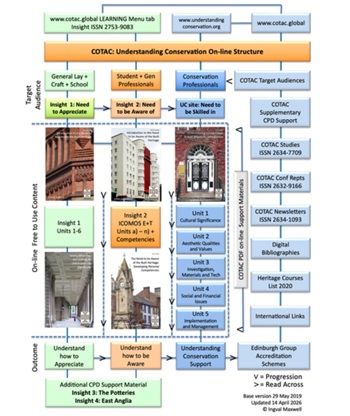
Building competence for the future of built heritage.
Building Regulations and Building Safety Act

CIOB publishes free advice for non-domestic clients.

Building Safety Newsletter from MHCLG.

An extraordinary record of steel engineering worldwide.

Households living near new pylons to save on bills.

ECA warns growth must not outpace grid capacity or skills.
The role of the client and decision making

CIOB response to built environment professions call for evidence.
Construction's sustainability reporting revolution

Tracking upfront embodied carbon with digital tools.
ECA welcomes procurement reforms

Public spending must back British jobs and skills.
Campaigning for Edinburgh: the Cockburn Association 1875-2049

The role of the civic voice in protecting character. Book review.